
A Path of Thorns and Hope: How Caño Martín Peña Communities Strive To Make Their Land a Better Place
A tourist's documentation of Caño Martín Peña communities' endeavors to fight against community separation, water pollution and housing displacement

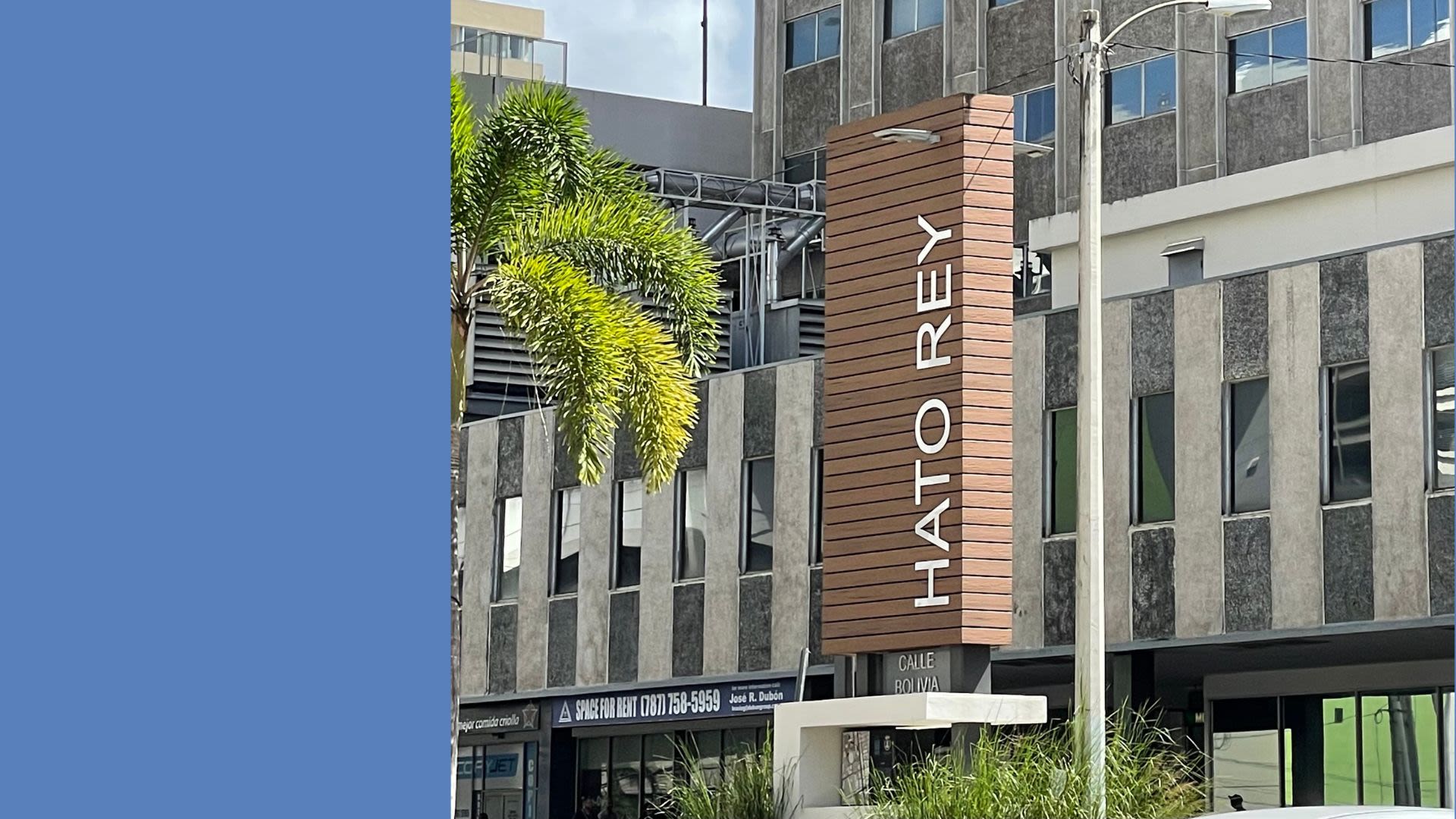
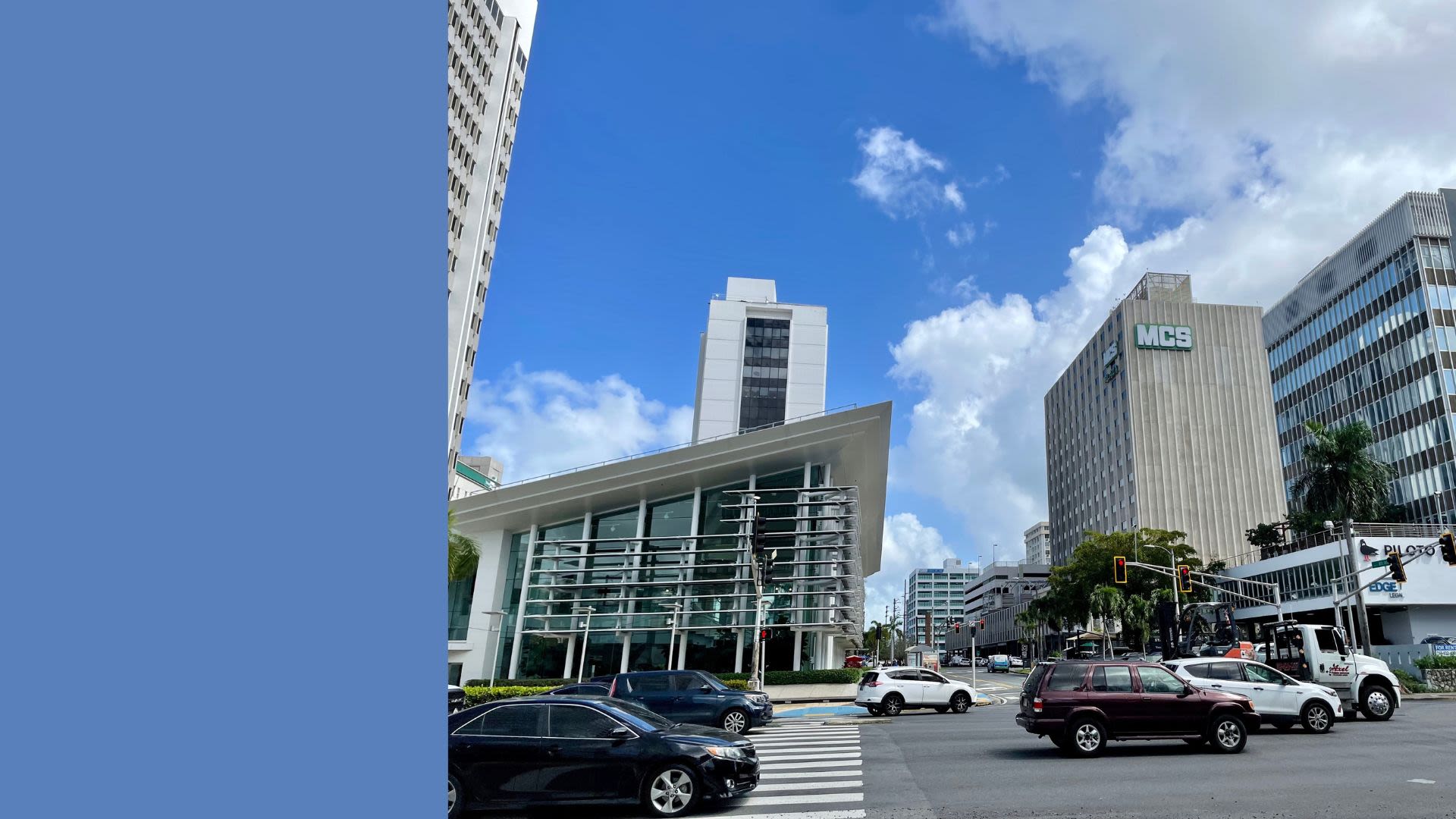
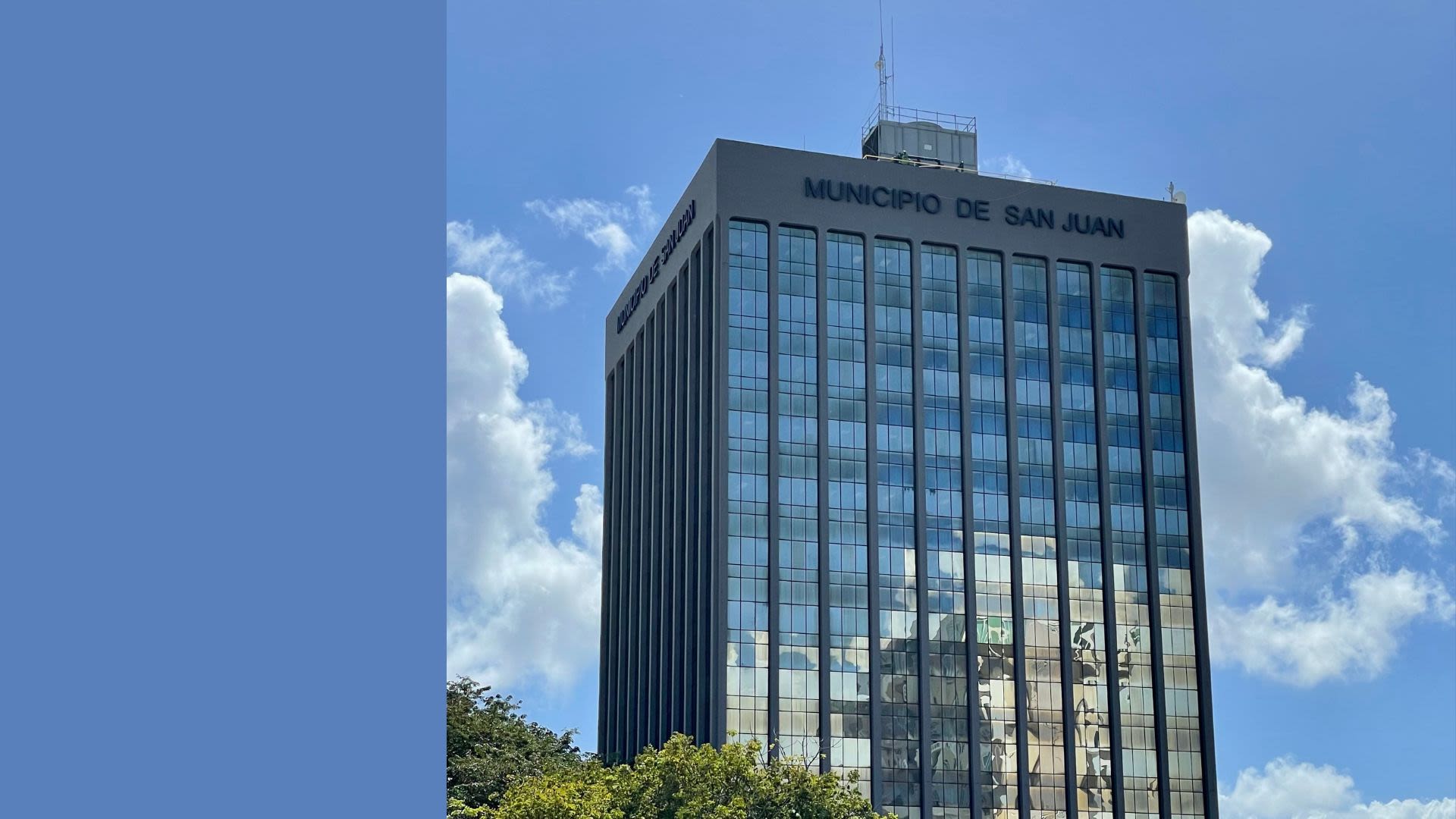
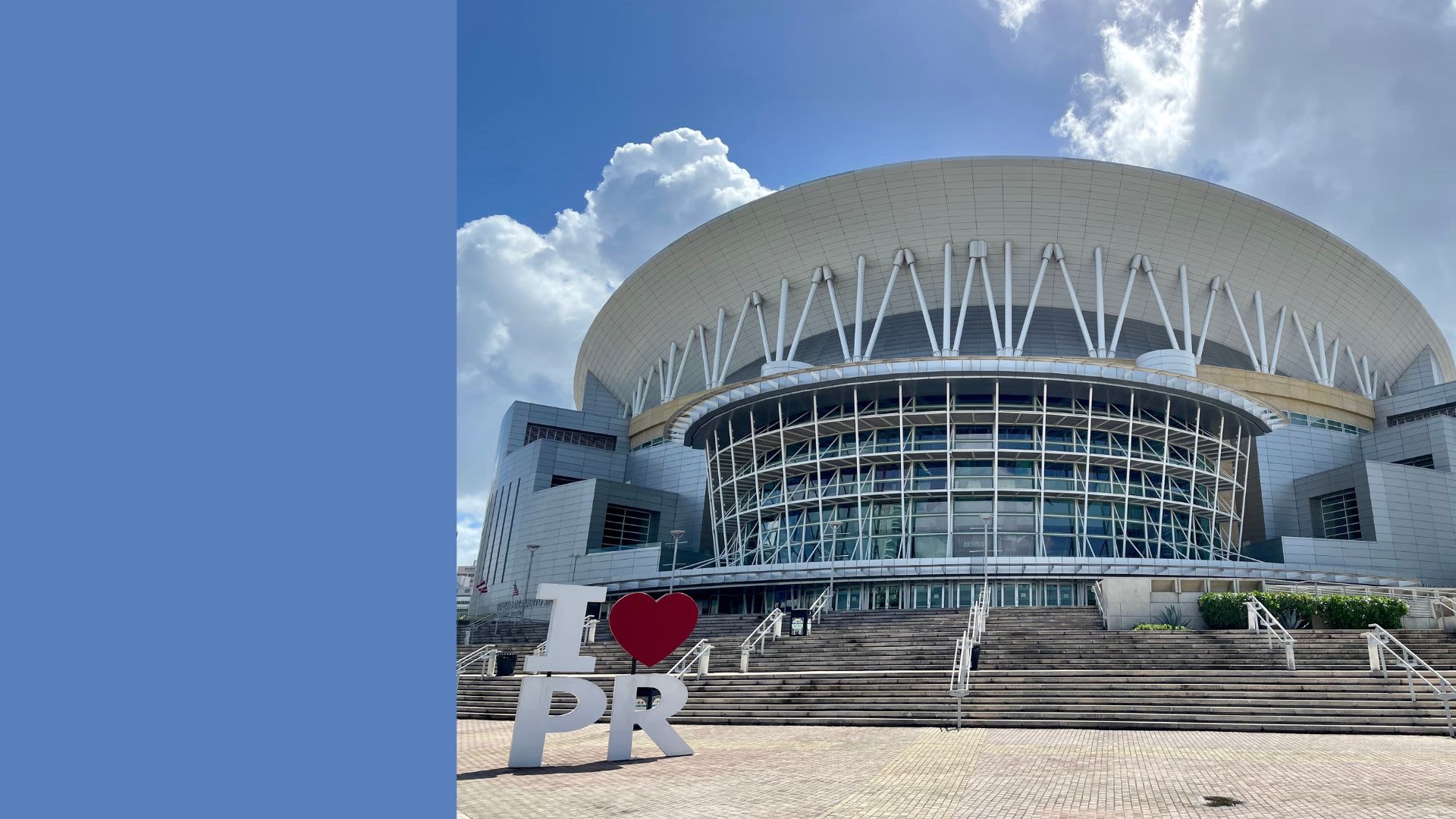
In the heart of Hato Rey Central, one of the 18 neighborhoods of the municipality of San Juan, Puerto Rico, sits La Milla de Oro – “The Golden Mile.” It encompasses a large conglomeration of palatial buildings such as Banco Popular, Municipio De San Juan, and José Miguel Agrelot Coliseum. Apart from being the most central business district in San Juan, the sector also attracts many tourists and local residents through concerts, retail shops, and nightspots during after-hours.
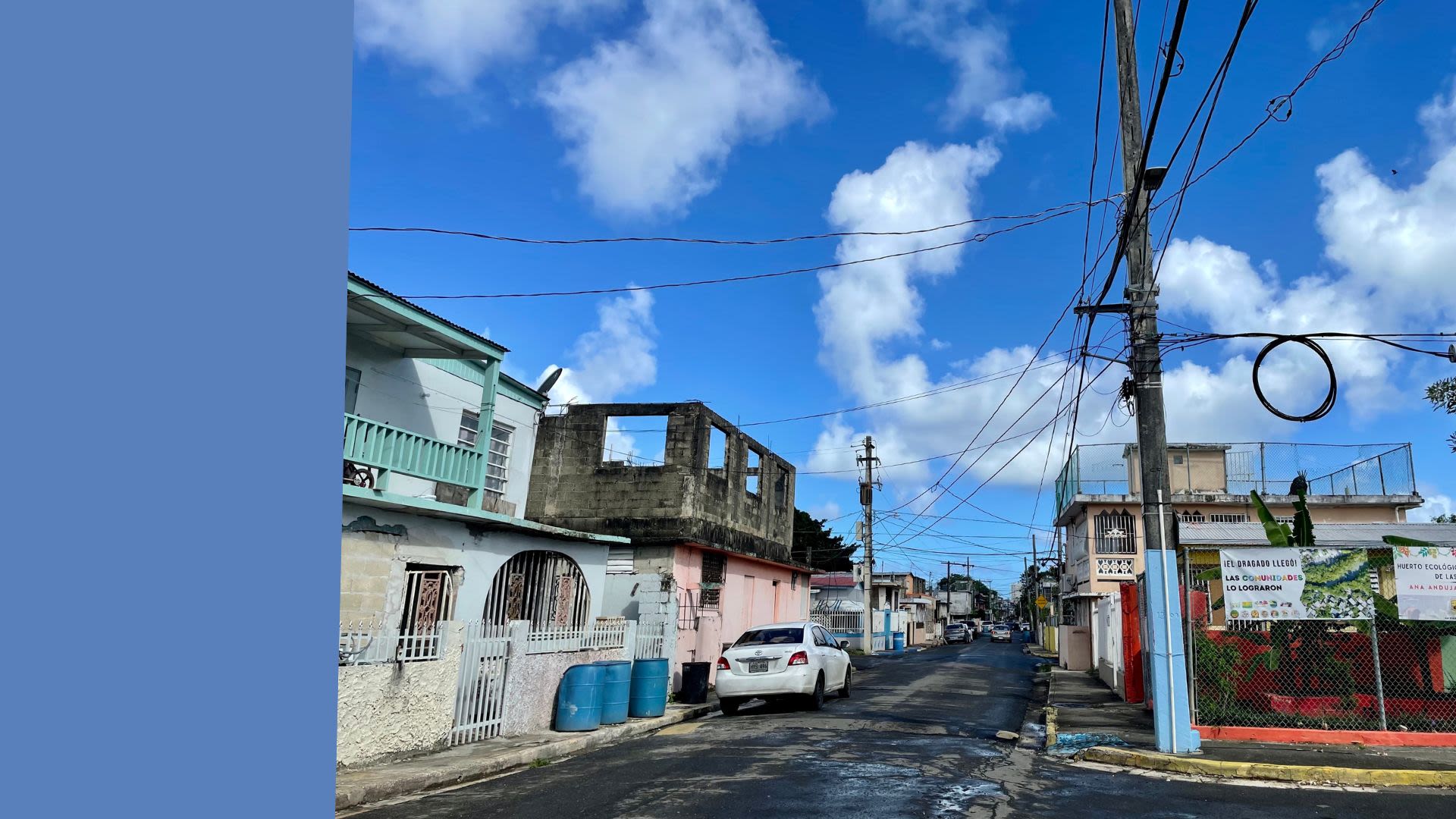
However, just a few blocks away from the modern area, the Caño Martín Peña communities are living under health and housing crises.
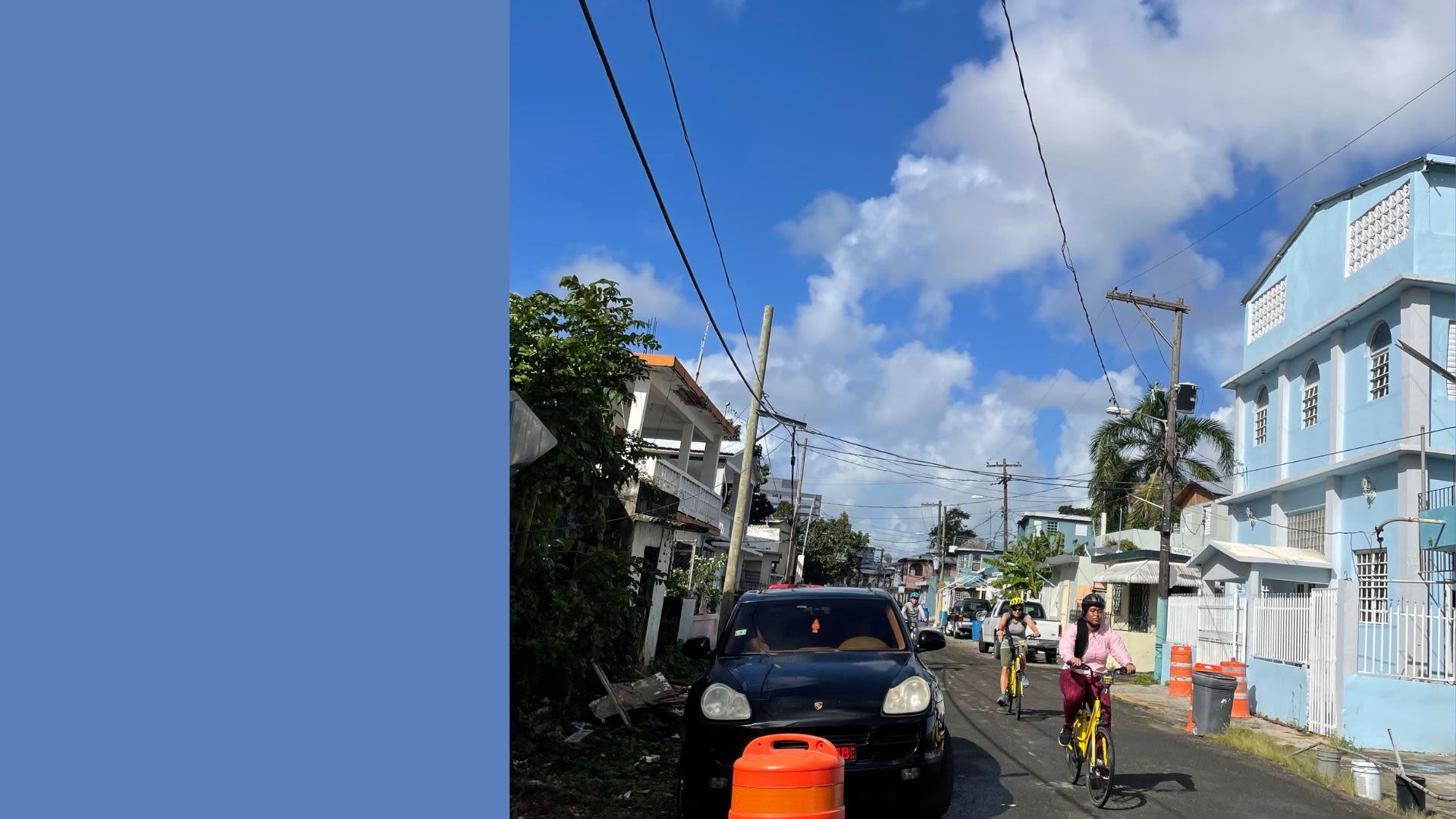
I was fortunate enough to visit the communities on a bike tour with Bici-Caño, where I witnessed their challenges of urban disinvestment, forced community separation, flood risk and housing displacement. Nevertheless, I also witnessed people’s resilience in achieving environmental and community restoration, leaving me with such a special learning experience as a tourist.


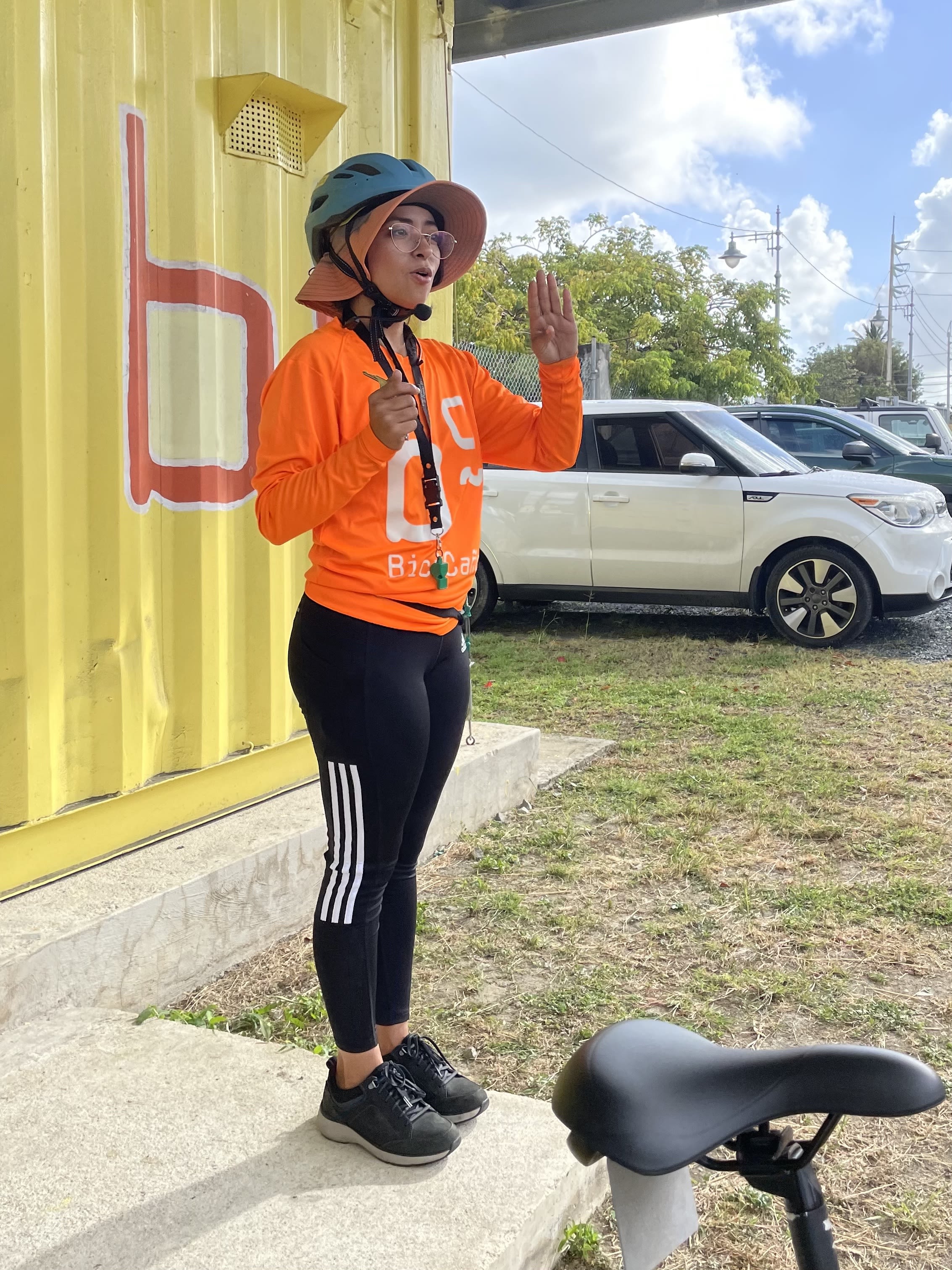
Tour guide Kathleen Ramos gives pre-trip instructions to us
Tour guide Kathleen Ramos gives pre-trip instructions to us
Las Monjas Community Garden
The first stop of the tour was Las Monjas community garden, where we were welcomed by Doña Ana, the founder of this garden, and her frozen juice. The small yet plentiful garden was planted with tomatoes, figs, plantains and so many more plants. With a history of over a decade, the garden has been a beautiful and sustainable green space shared by the community in the midst of urban roads and houses.

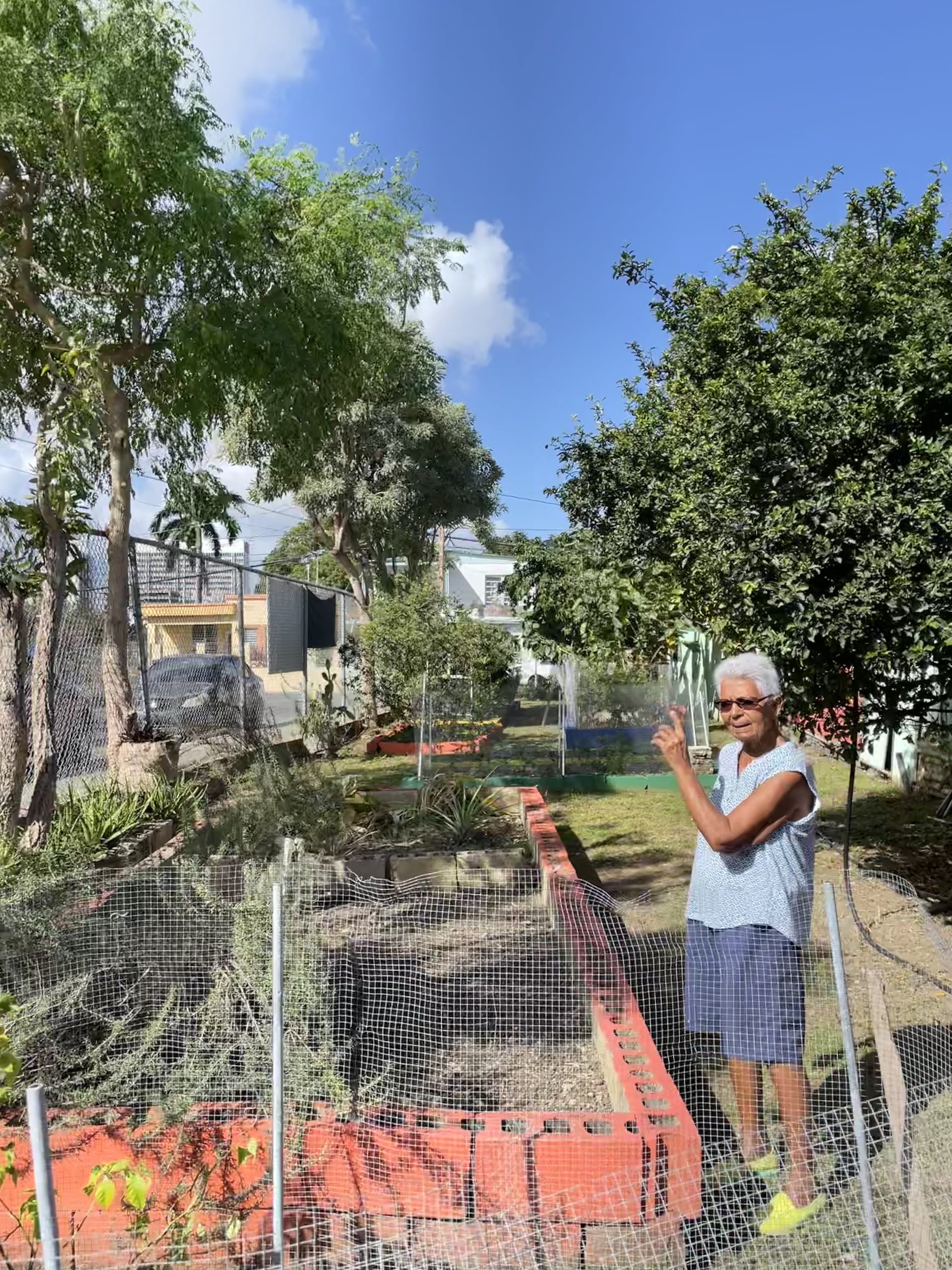
Doña Ana introduces the plants she grows
Doña Ana introduces the plants she grows
Yet as Doña Ana talked more about the history of the garden, we learned that it took her and the community a long time to get where they are now. After roads were built in this neighborhood in 2007, the government planned to turn this empty space into a parking lot for the community center they promised to build around the corner. However, four years went by and nothing happened. The place was left abandoned and filled with trash as a result of modernization.
Witnessing the area's deterioration as a life-long resident, Doña Ana decided to rescue the space on her own. She started by first cleaning up the space and planting flowers. The police went past on motorcycles and never admonished her. One day they stopped, and they gave Doña Ana a thumbs-up.
As the community finally began to get organized in the ‘90s, the community president approached Doña Ana and asked her if she would like to make this place a community garden. He promised Doña Ana that as long as he was still the president, he would help her whenever she needed it.
That was how everything started. To get the skill of building a community garden, they visited the experts at the University of Puerto Rico in Río Piedras, a campus dedicated to agricultural experiments. In the early phases when there were scarce resources, they could only use bamboo to make beds for the plants.
Nowadays, the community garden has not only well-equipped facilities, but also student volunteers who come to help Doña Ana with maintenance regularly. On the second Sunday of every month, Doña Ana and the volunteers will sell their crops at the community market to raise funds and support the circular local economy.

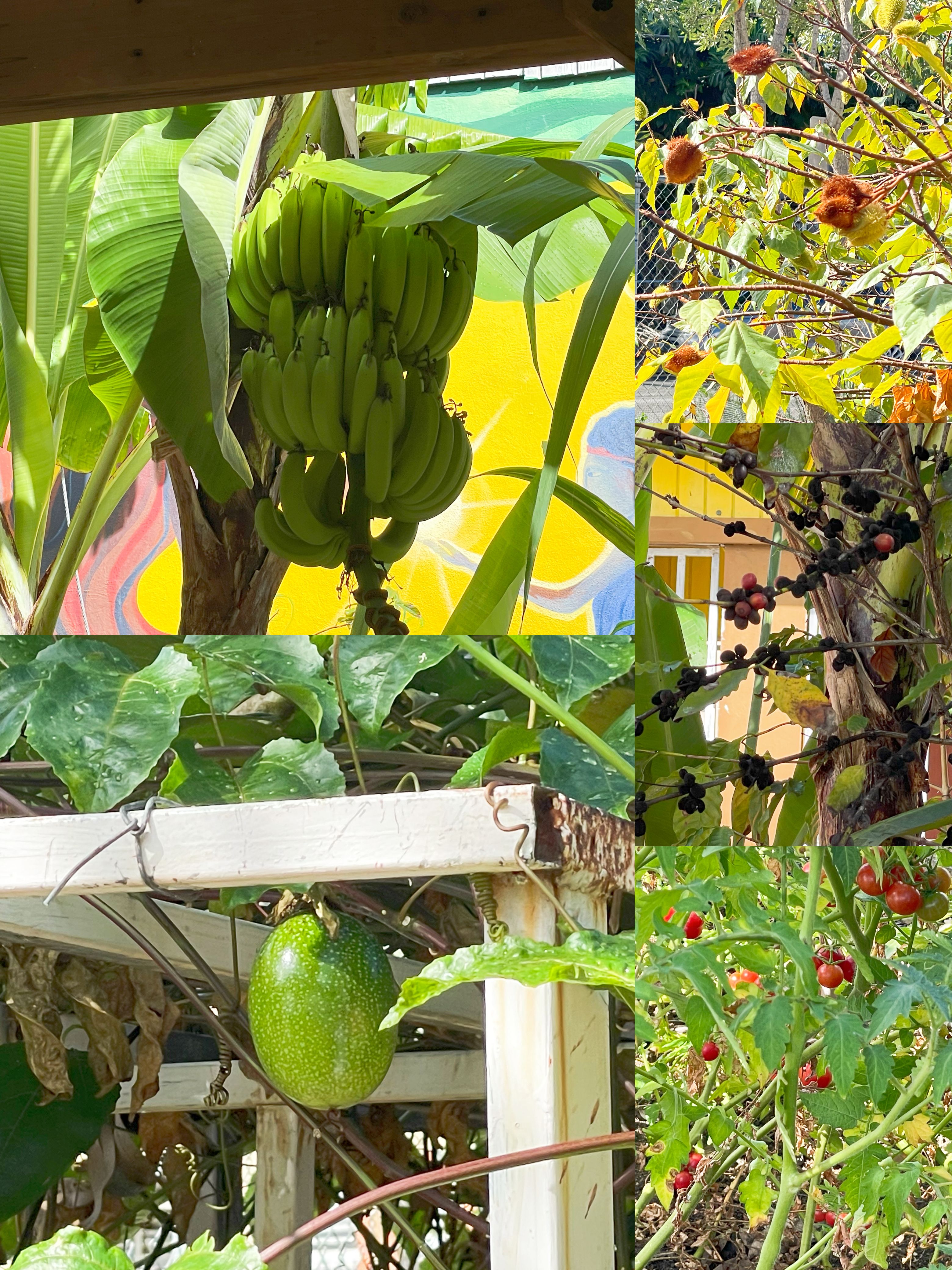
The garden grows a variety of plants
The garden grows a variety of plants
In retrospect, I’m most inspired by how the whole initiative helped restore hope and a sense of self-management within the community under the challenge of urban disinvestment. The transformation of this space from a vacant dumping ground to a community garden not only raises awareness about collective action, but also empowers local residents to defend ownership of their own neighborhood and environment.

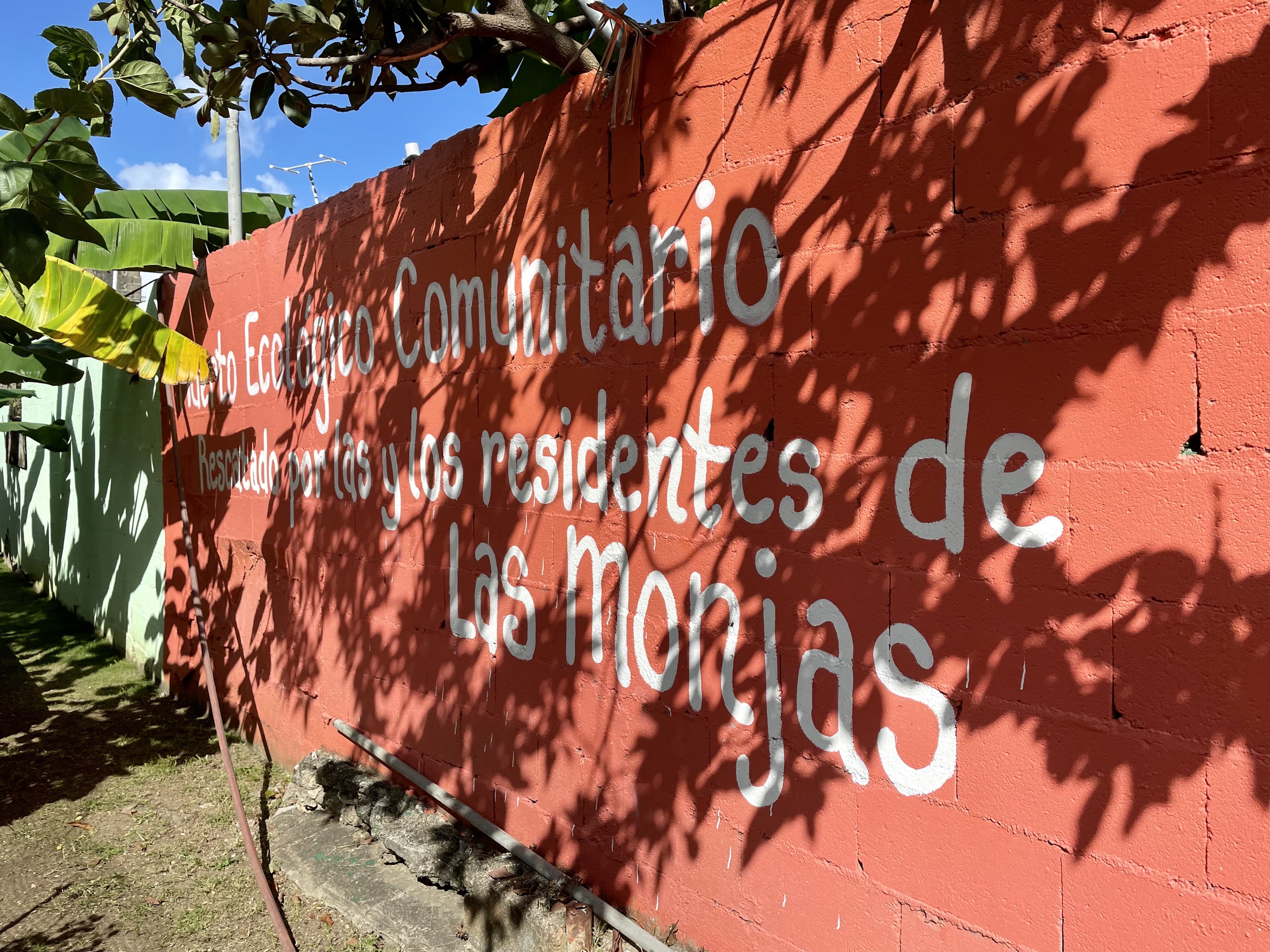
The text on the garden wall says: "Community Ecological Garden rescued by the residents of Las Monjas"
The text on the garden wall says: "Community Ecological Garden rescued by the residents of Las Monjas"
Barbosa Avenue Bridge
After we said goodbye to Doña Ana and her community garden, we biked across the Buena Vista community and went all the way up to the Barbosa Avenue Bridge above Caño Martín Peña. The bridge is tall and wide, sending off a modern vibe with cars whizzing past.
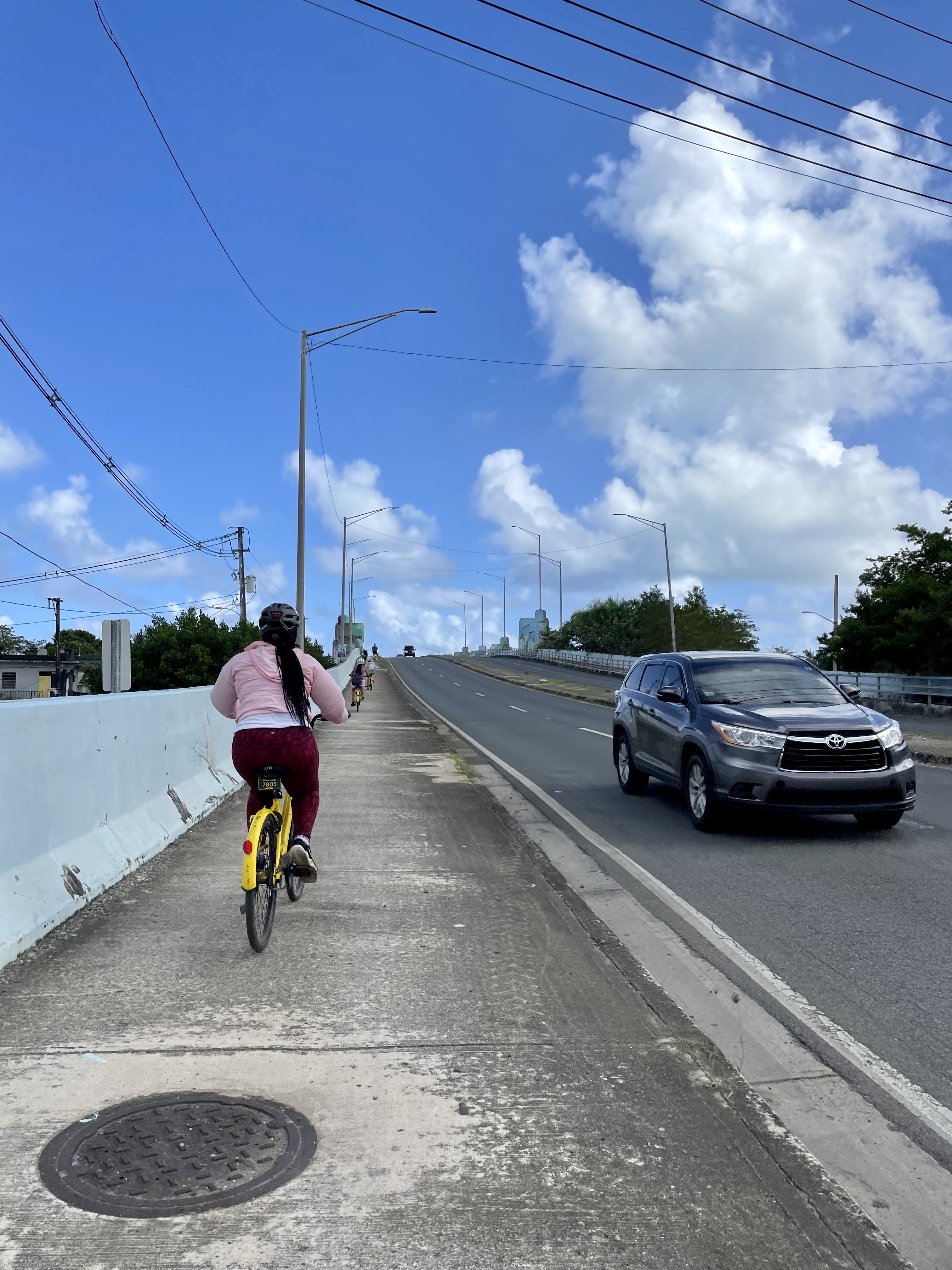
My peers and I bike up the bridge while cars pass by
My peers and I bike up the bridge while cars pass by
However, we learned from Kathleen that the bridge used to be much lower and narrower. As the Golden Mile was being built, the Department of Transportation decided to make this community bridge bigger and taller to facilitate more vehicle transportation.
However, local residents protested against the construction. Its dimensions would physically separate the four neighborhoods that used to be intimately interconnected.
Unfortunately, the communities lost the battle. Yet people found their way to re-establish the connection. In 2010, the mosaic group Cero inaugurated their artworks to humanize and redefine the bridge. On each of the eight pillars of the bridge, the artists created an aesthetic sketch of a prominent figure nominated by the residents of the neighborhood.
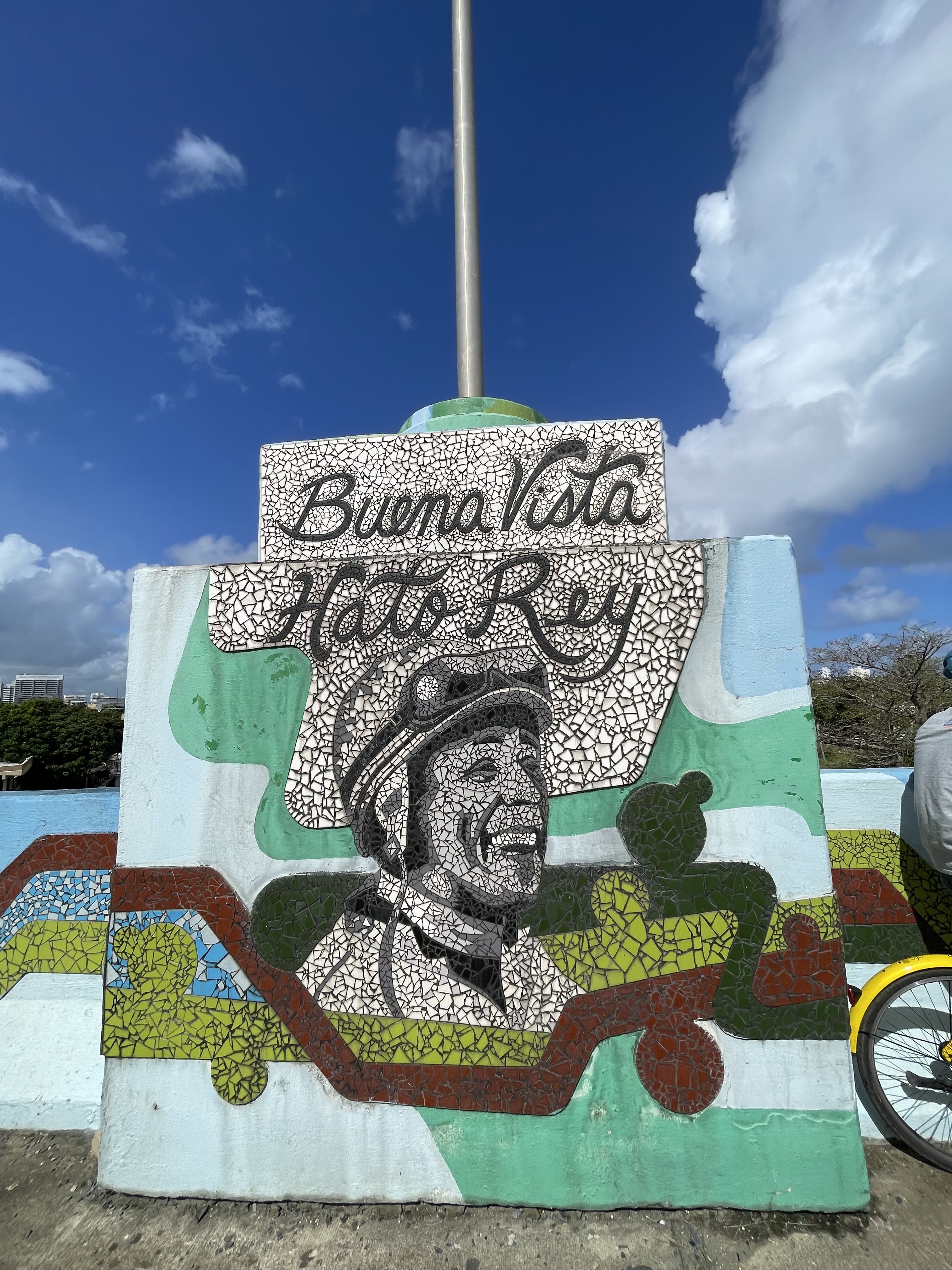
A mosaic sketch of Angel Tomás Cordero, Jr., an accomplished horse racing jockey born in Santurce, Puerto Rico
A mosaic sketch of Angel Tomás Cordero, Jr., an accomplished horse racing jockey born in Santurce, Puerto Rico
As we came down the bridge, we stopped by a mural just around the corner. It was a mural created by students from the University of Puerto Rico in Cayey. It says: “Esta comunidad no es invisible, y se respeta! (The community is not invisible. It’s respected!)”
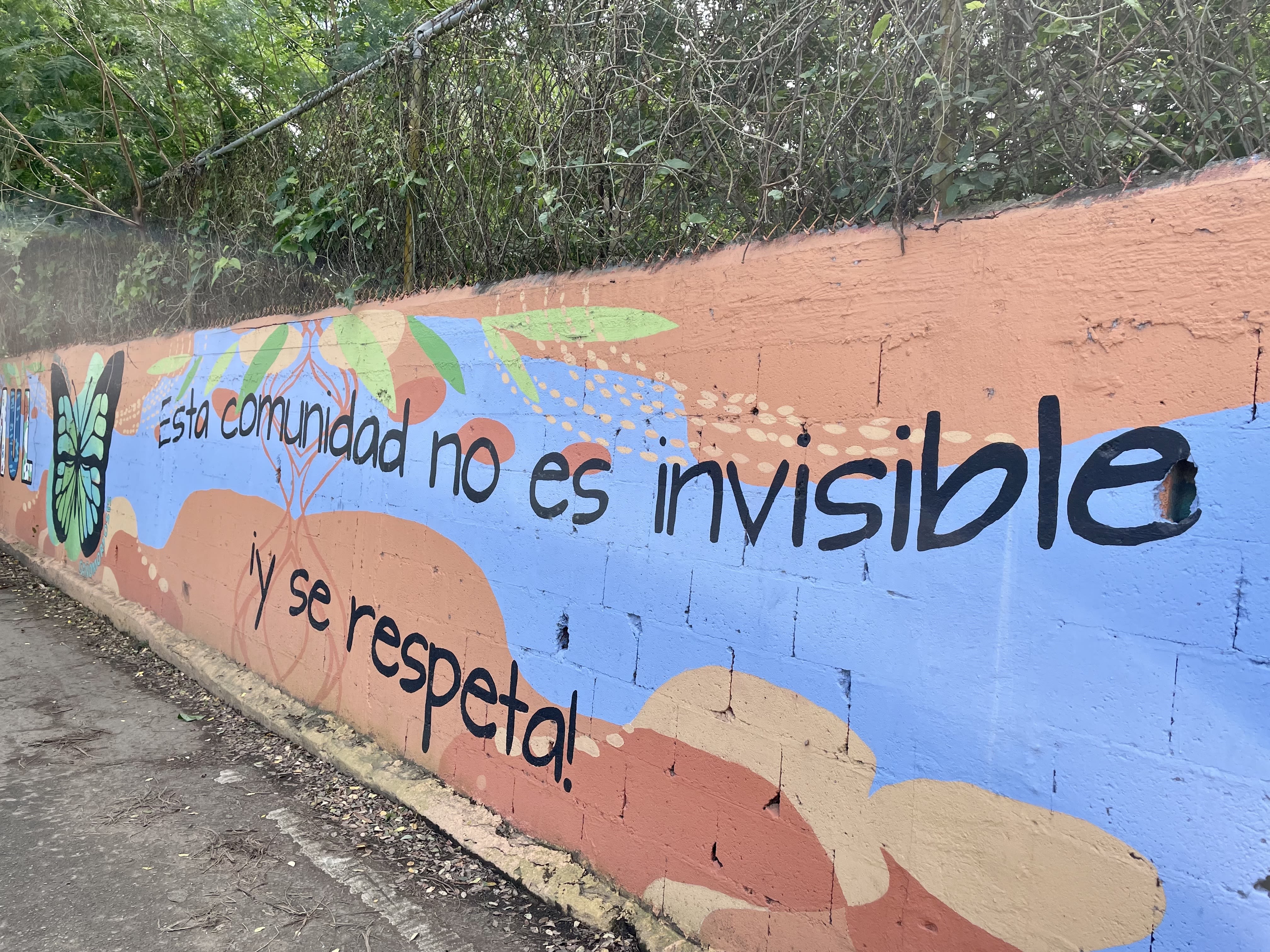
A mural created by students from Universidad de Puerto Rico Cayey
A mural created by students from Universidad de Puerto Rico Cayey
La Colectora
As we biked to our next stop, I kept thinking about how people living in these communities strived to overcome one challenge after another. We then stopped at La Colectora, where we learned about the two most prominent challenges faced by the community nowadays: flood risk and housing displacement.
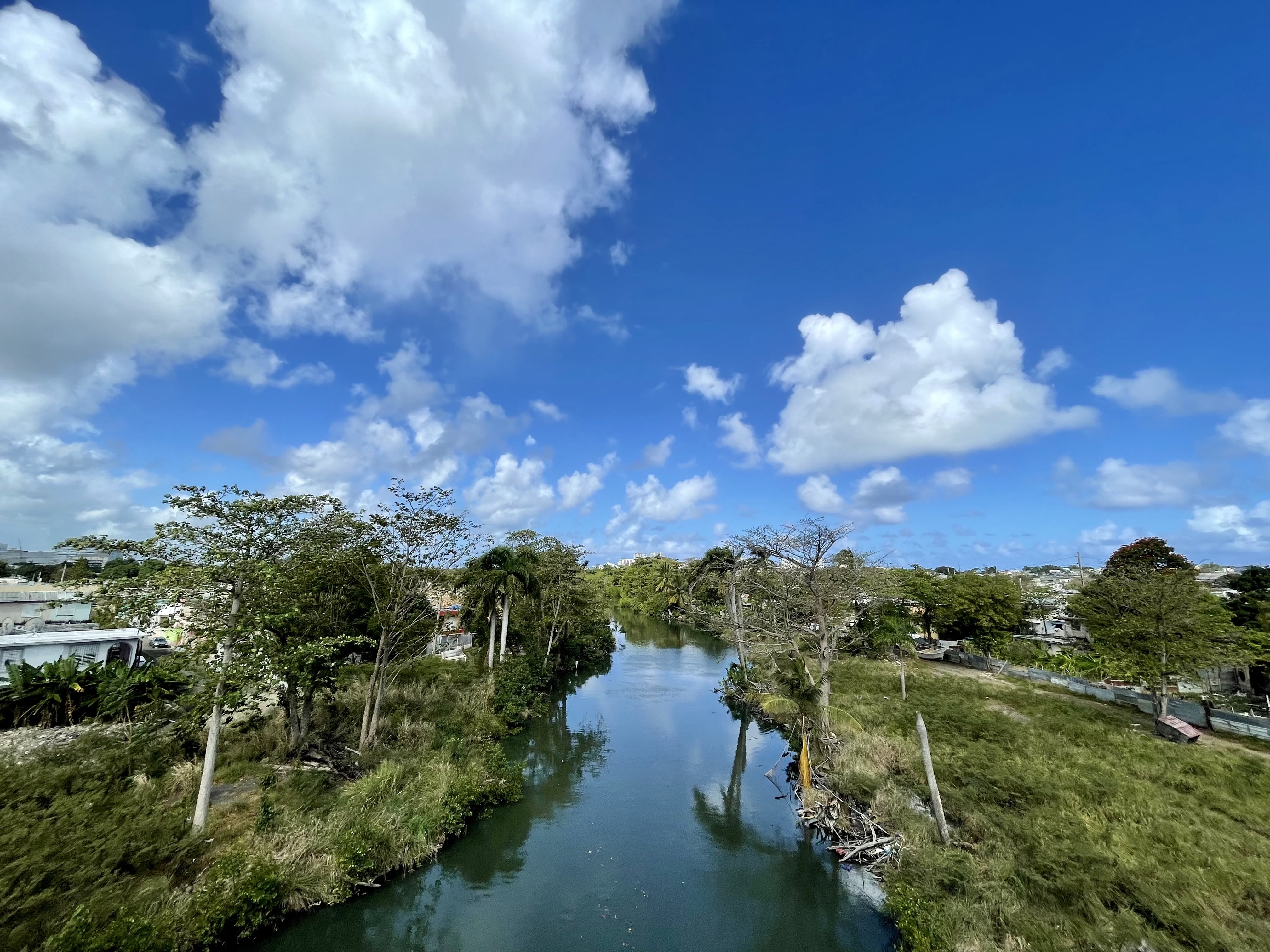
Over years, water contamination of the canal escalated due to continuous industrialization, mangrove removal and littering. The debris deposits not only narrowed the canal significantly, but also created serious flood risk to the residents if a hurricane hits.
The land of La Colectora was one of the most affected areas that required urgent dredging. The place used to be full of houses, but they were all demolished as a result of housing displacement. The residents in adjacent neighborhoods were asked to move into new housing areas under the assistance of Enlace Project, a public corporation that coordinates projects regarding restoration of the Caño Martín Peña. Since many residents near the canal were originally informal settlers who had no land ownership, Enlace may also help them obtain better access to sewer systems and surface rights.
Another project Enlace executes is mangrove planting. Over the past decades, mangroves had been formally and informally removed under government policies and residential settling. The planting project intends to rebuild the mangrove ecosystem to help mitigate the impact of hurricanes and restore ecological balance within the canal.
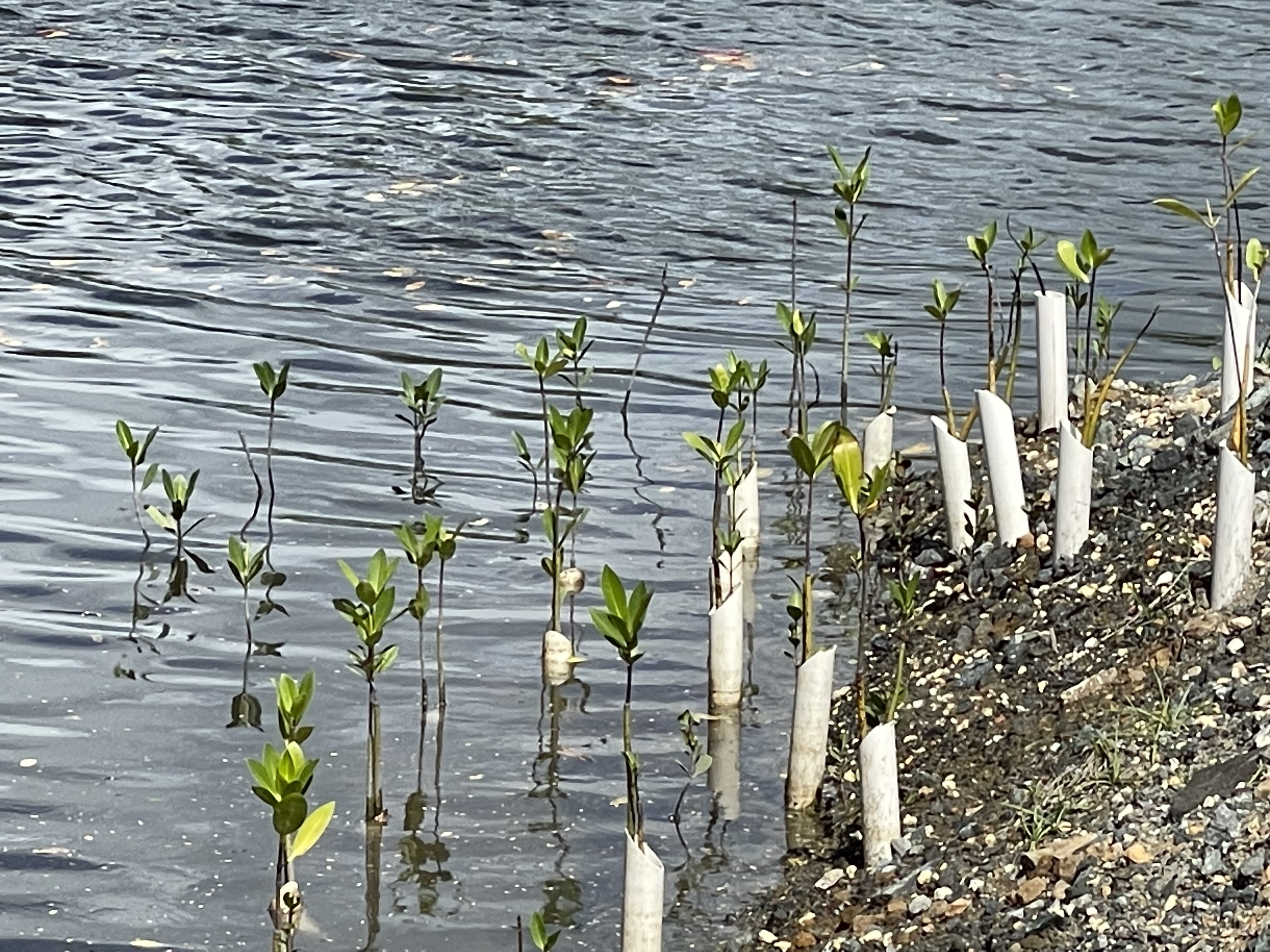
There are three types of mangroves: red, white and black. They can absorb damaging winds and stop floodwaters from flowing inland when a hurricane hits. They also serve birds with migration, breeding and nesting
There are three types of mangroves: red, white and black. They can absorb damaging winds and stop floodwaters from flowing inland when a hurricane hits. They also serve birds with migration, breeding and nesting
Nevertheless, Kathleen said the restoration process is still a long, ongoing education of consciousness for local residents. When we were on the Barbosa Avenue Bridge, Kathleen told us that this section of the canal used to be so much more polluted before the dredging that took place last May. When she first started guiding this tour a year ago, she recalled that the piles of sofas, cabinets and all different kinds of litter were at a much bigger scale.
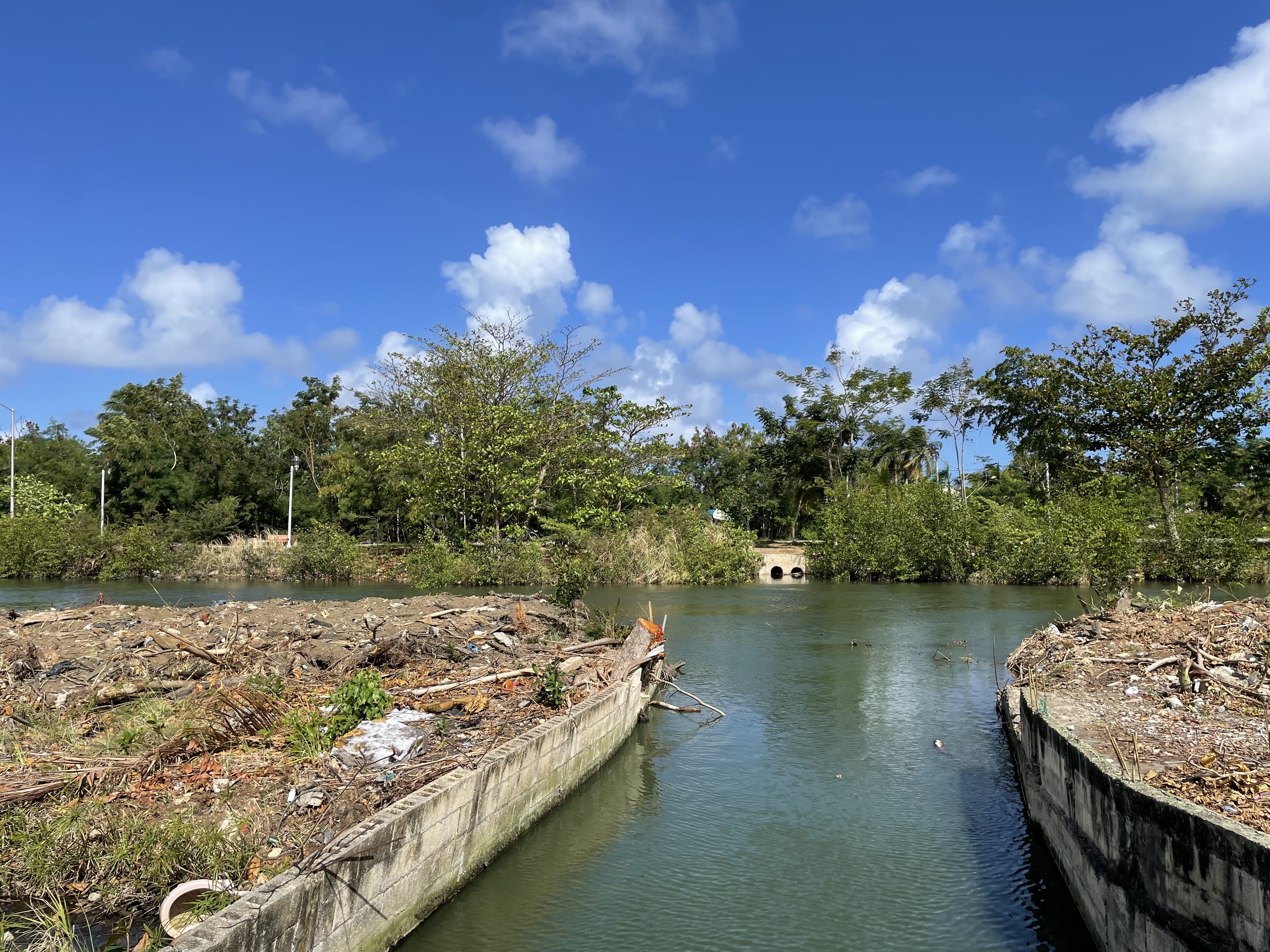
Visible landfills along the shore
Visible landfills along the shore
“The last thing I saw that was dumped there was a broken motorcycle. And I was like, 'Oh my goodness'…So many oils and all the contamination… I suffer whenever I see a bag rolling around. I was like, 'I can’t pick it up right now, but if I could I’ll be carrying it, because that affects the turtles!'”
At the end of the day, there will always be challenges that need to be dealt with. The communities are still in the process of figuring out solutions to make their home a cleaner, safer and more wholesome place.
At the end of the tour, I asked Kathleen how she liked her job at Bici-Caño, and what she considered to be the value of this bike tour.
“It’s not a tour where you are going to be enchanted and only see the good stuff. Instead, you see how humble the community lives… We were not here when it flooded, but we get the chance to see what the current issue is. I think it's a very eye-opening, humbling experience.”

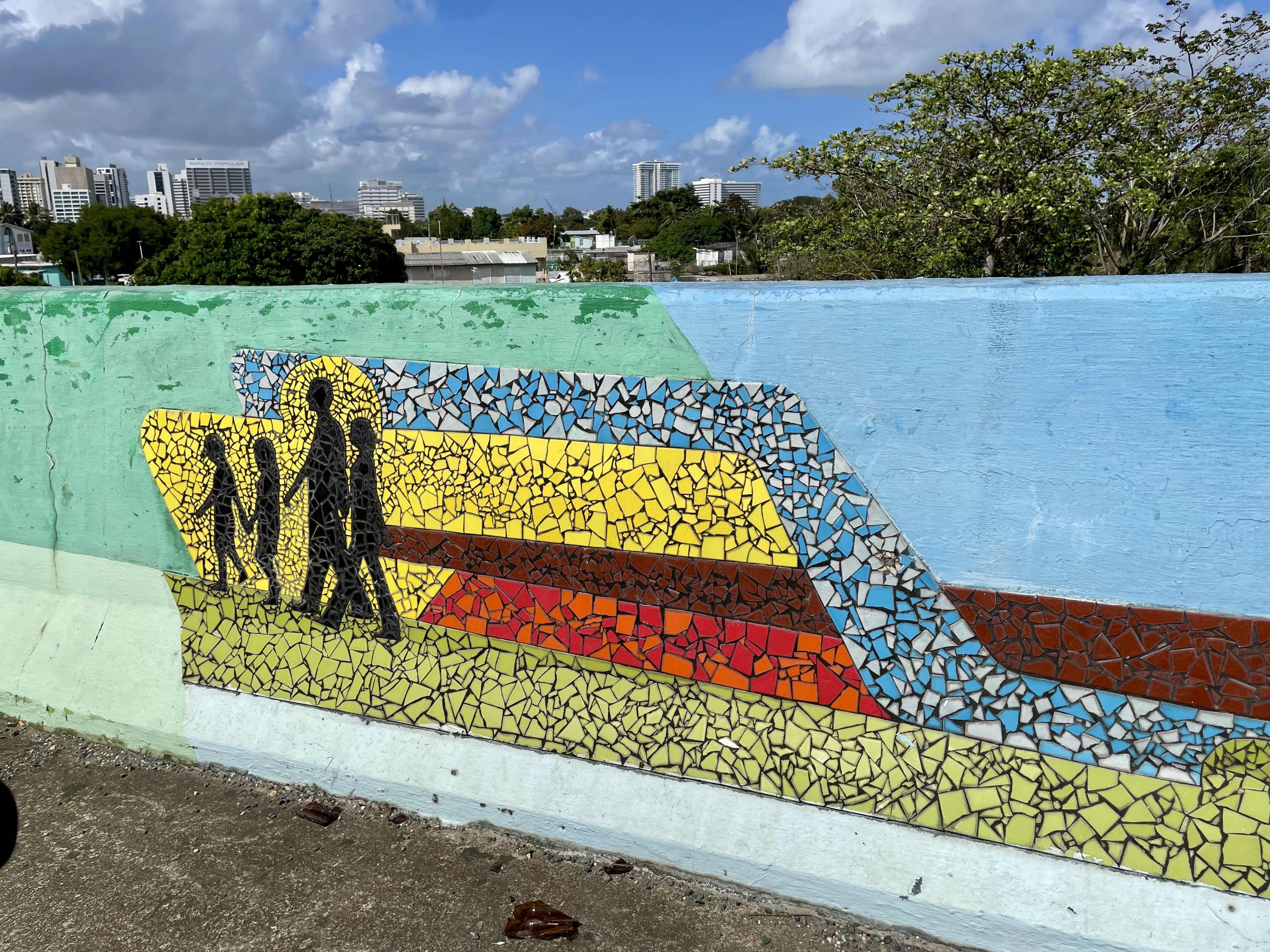
A mosaic artwork on the Barbosa Avenue Bridge manifesting connection, hope and solidarity
A mosaic artwork on the Barbosa Avenue Bridge manifesting connection, hope and solidarity
 Built with Shorthand